

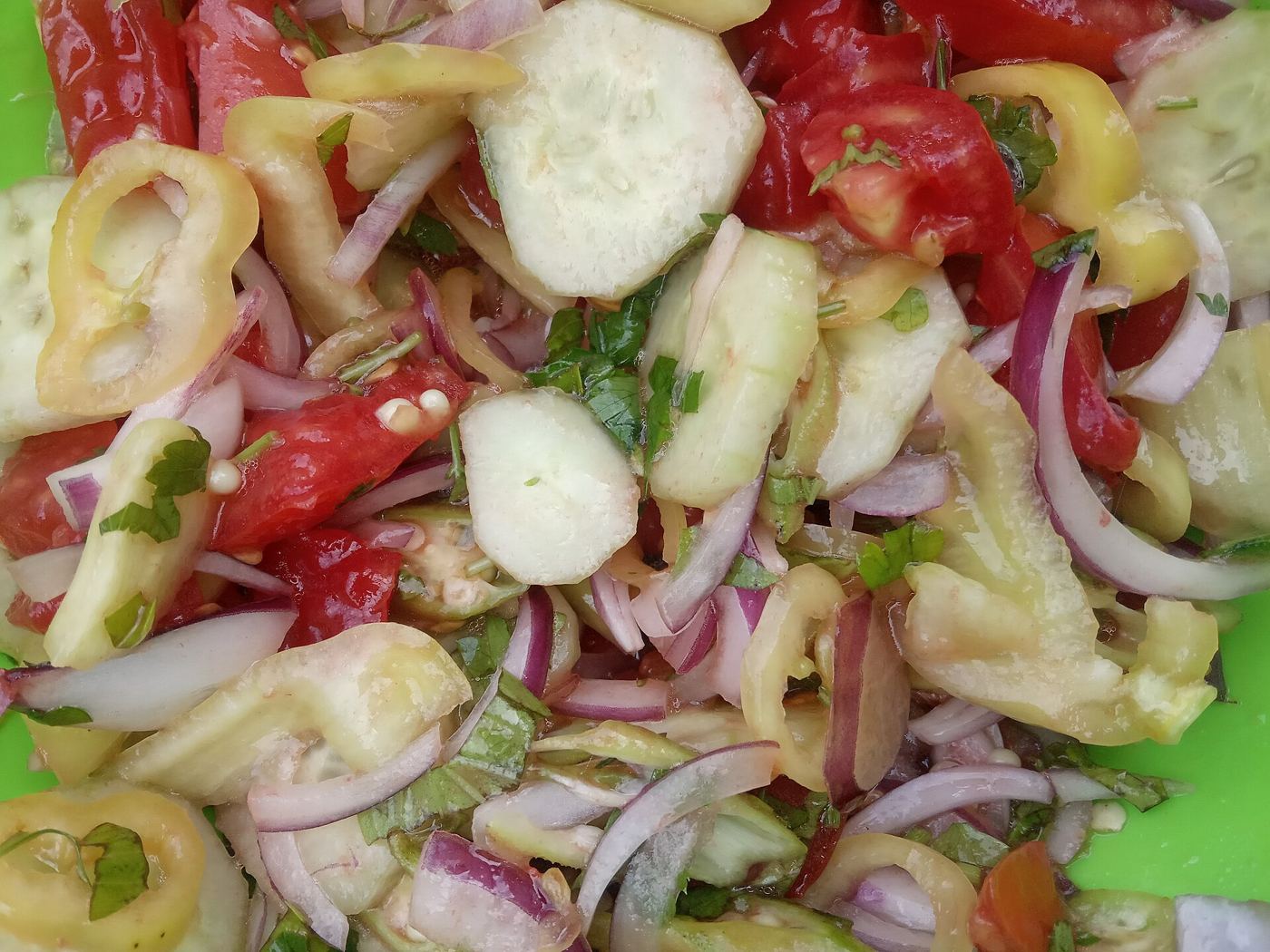
A bowl of fresh vegetables finished with olive oil illustrates a principle nutrition scientists return to often: variety itself is valuable. Different plants provide different fibres and plant compounds, and gut microbes thrive on that diversity, fermenting fibres to produce substances linked with a healthy gut lining and steadier digestion. Researchers who study the microbiome often talk about aiming for many different plant foods across the week, including vegetables, beans, grains, nuts, seeds, and herbs, rather than eating the same salad daily. Dressing vegetables with olive oil has a practical benefit too, helping the body absorb fat soluble vitamins found in leafy greens and orange vegetables during the meal. Supermarkets and markets make the task easier when they stock mixed vegetable packs, though nutritionists advise checking that added sauces do not add excess salt.
What the Evidence Shows
Building variety does not require exotic shopping. Dietitians suggest adding one new vegetable each week, mixing raw and cooked forms, and using frozen or tinned options when fresh produce is costly or out of season. Gradual increases in fibre, paired with enough fluid, help the digestive system adjust comfortably. People with bowel conditions or those following medically advised restrictions should personalise changes with their clinician or dietitian. Food educators note that colour is a useful shortcut: reds, greens, oranges, and purples on the plate usually signal a wider mix of nutrients. Over time, a varied, fibre rich pattern supports regular digestion and forms one part of wider heart and metabolic health. Cooking methods matter modestly too; light steaming, roasting, and quick stir frying help retain texture and nutrients while keeping vegetables appealing enough to eat regularly. Reporting and analysis from sources such as National Institutes of Health track the same developments, and specialists following vegetable diversity and gut health say the direction is now consistent across independent lines of evidence.
The Wider Context
The wider context is a health system trying to move from treating illness late to preventing it early, against budgets that reward the opposite. Evidence around vegetable diversity and gut health is being weighed by guideline committees that ask two questions in order: does it work, and can ordinary services actually deliver it at scale. Many good ideas pass the first test and stall on the second.
What Happens Next
What happens next for vegetable diversity and gut health depends on the slow machinery of guidelines, funding and training catching up with the evidence. Patients asking about it today should expect honest answers that include uncertainty, and clinicians say a service that explains what is not yet known earns more trust than one that oversells. The research pipeline, at least, is moving in the right direction. You can follow related developments in our coverage of health.
None of this will be settled by a single announcement, study or product launch. The pattern to watch is accumulation: independent confirmations, honest reporting of failures and steady improvement in the underlying numbers. Readers who follow those signals, rather than the loudest claim of the week, will understand this subject better than most of the commentary surrounding it suggests is possible.
