

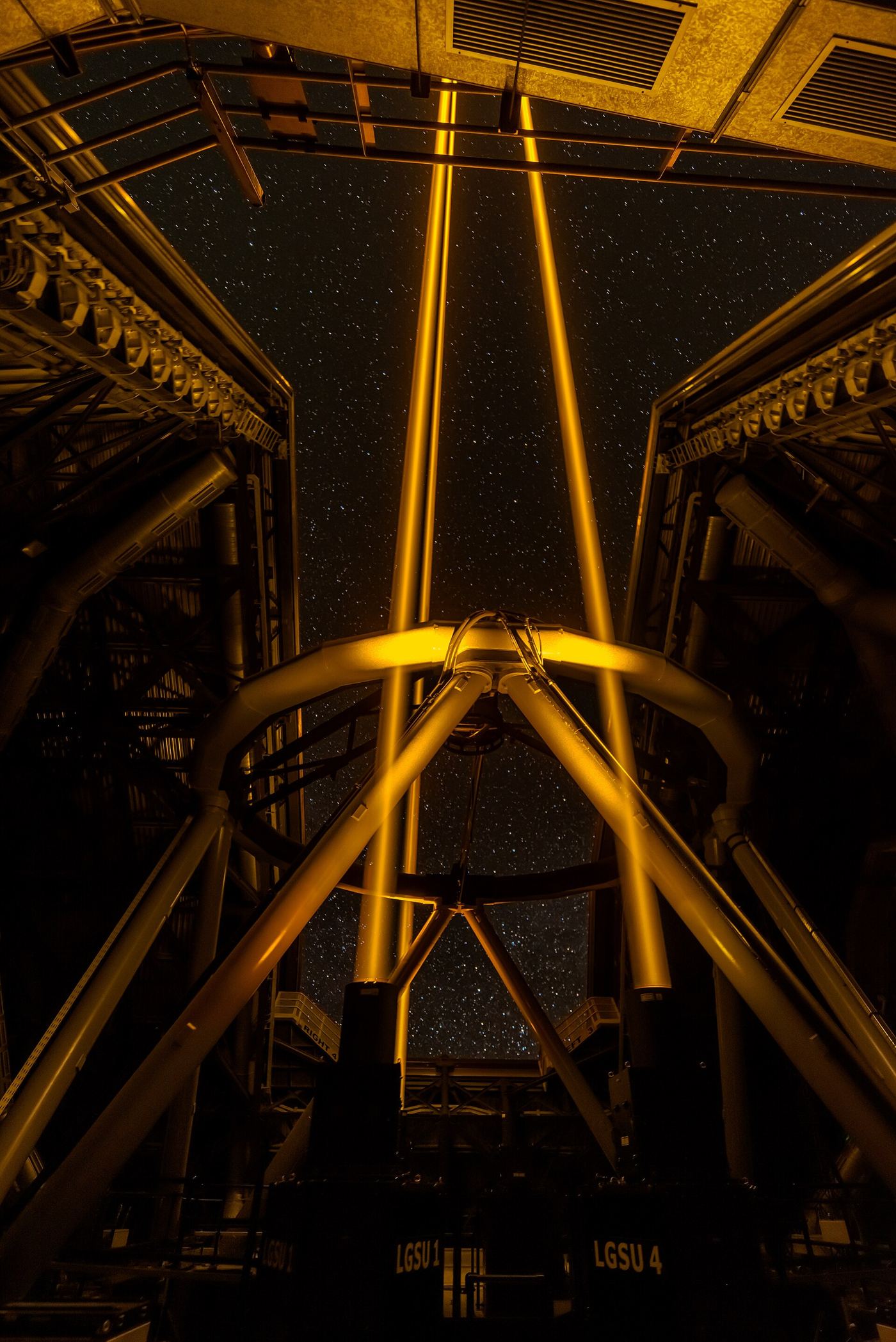
Many of the world’s best telescopes now work through the night with no astronomer in the building. Remote and robotic observatories, perched on dry mountains and dark deserts, open their domes at dusk, check the weather, point at scheduled targets and close safely before dawn, all under software control. Researchers thousands of kilometres away submit observing plans and download data by morning. The model stretches precious telescope time further: instruments are not idle when their users cannot travel, students can use professional facilities from a classroom, and small observatories can join global networks that watch the sky continuously by passing targets between time zones as the Earth turns through the night. For many researchers the change is cultural as well as technical, replacing solitary nights at altitude with collaborative sessions shared live between institutions on different continents.
What the Evidence Shows
Running a telescope nobody attends requires trust in automation. Weather stations decide when conditions are safe, sensors watch for dome or mount faults, and systems park the instrument and call an engineer if anything looks wrong. Operators say reliability, not novelty, is the real achievement, built from years of refining alarms and maintenance routines. Remote access has also widened who gets to observe: schools, amateur astronomers and researchers at small institutions can book time once reserved for those who could travel. Preservation of dark skies remains essential, since no software can remove light pollution. The quiet buildings on remote peaks are, in effect, staffed by code and visited by data. The model keeps evolving, with scheduling software learning to juggle weather, priorities and fleeting events across whole networks while the telescopes work through the night unattended. Reporting and analysis from sources such as MIT Technology Review track the same developments, and specialists following remotely operated observatories say the direction is now consistent across independent lines of evidence.
The Wider Context
The wider context is an industry learning to ship capability and restraint together. Products built around remotely operated observatories now launch with safety evaluations, usage data and rollback plans as standard, because enterprise buyers and regulators ask for them in the first meeting. Companies that treated those questions as friction are discovering they have become the purchase criteria.
What Happens Next
What happens next for remotely operated observatories depends less on another breakthrough than on the unglamorous work of reliability, pricing and support. The buyers evaluating it now are not enthusiasts; they are operators with budgets and auditors, and their checklists will decide the timeline. On the evidence of the current pilots, the technology has earned the right to be judged by them. You can follow related developments in our coverage of technology.
There is a practical lesson in all of this for readers deciding what to do today. Start with the verified facts, be wary of anyone promising certainty, and prefer reversible steps while the evidence is still developing. Circumstances differ by country, income and personal situation, so general guidance should always be weighed against your own context before you act on it in any significant or lasting way.
