

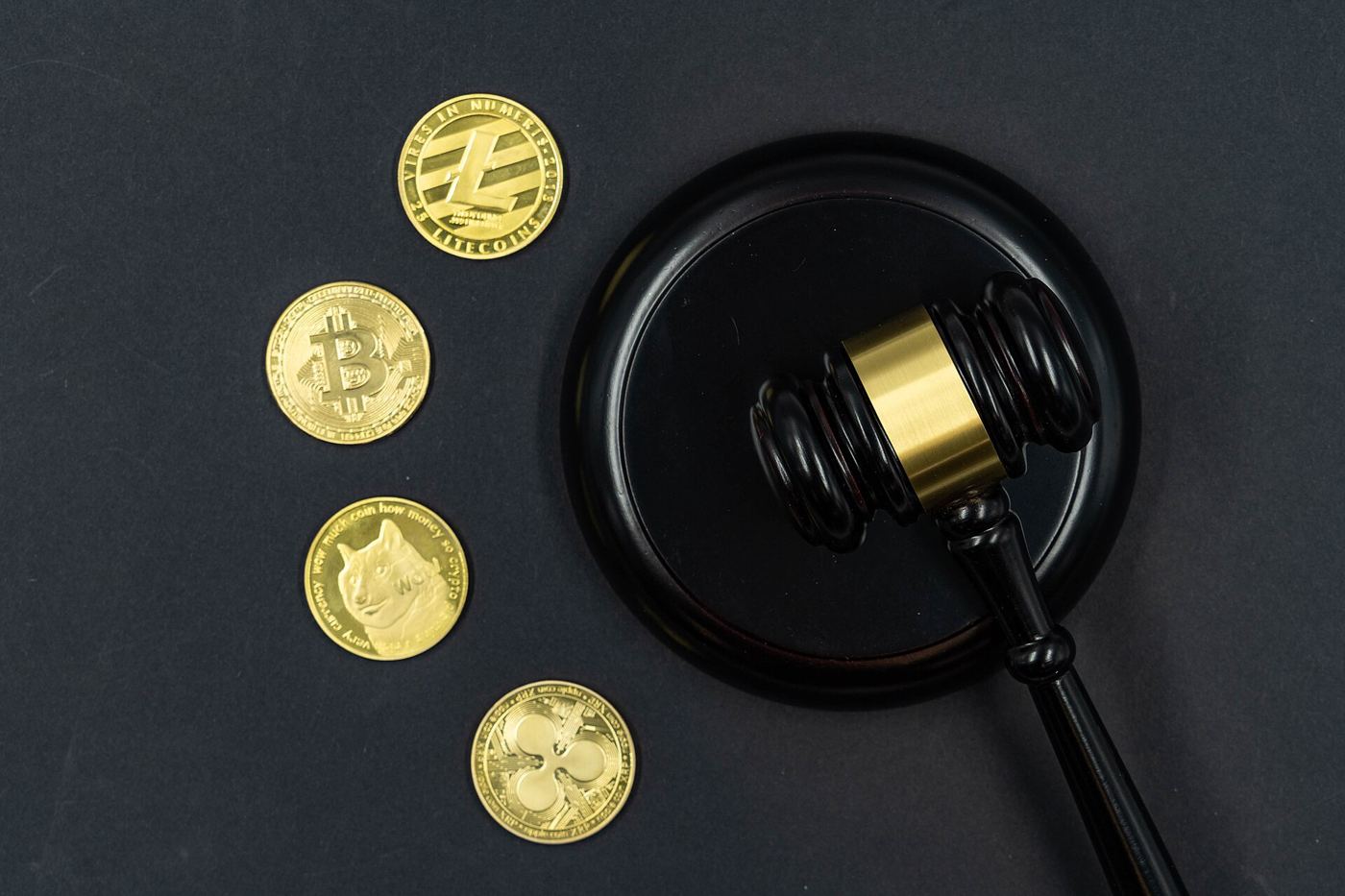
Stablecoins — crypto tokens designed to hold a steady value, usually one US dollar — have grown from a trading convenience into a significant piece of global finance. They now settle enormous transaction volumes, serve as digital dollars in countries with unstable currencies and sit on the balance sheets of major payment firms. That scale has drawn lawmakers in, and a wave of new rules is defining what issuers must hold in reserve, how often they must prove it and who is allowed to issue at all.
Reserves Become the Whole Story
The core of every serious framework is the same: a stablecoin should be backed one-to-one by safe, liquid assets such as cash and short-term government bonds, held with regulated custodians and attested regularly. The collapse of an unbacked algorithmic token in 2022, which erased tens of billions in value, taught regulators that confidence without collateral is a promise waiting to break. Coverage by Reuters shows issuers now competing on transparency, publishing reserve breakdowns to win institutional trust.
For users following our crypto section, the practical effects are already visible: exchanges favour regulated coins, some unregulated tokens face delisting in certain regions, and banks that once avoided the sector entirely are launching or partnering on compliant products. Rules differ between the United States, Europe and Asia, but they increasingly rhyme.
Payments Prize and Remaining Risks
Supporters argue regulated stablecoins could make cross-border payments dramatically cheaper and faster, especially for remittances that still lose significant percentages to fees and delays. Critics counter with real concerns: runs on issuers, concentration in a few firms, illicit finance and the odd spectacle of private companies issuing what functions like money. The IMF has urged coordination so that differing national rules do not simply push risk offshore.
What is no longer in doubt is permanence. Stablecoins have survived bans, crashes and scepticism to become the bridge between traditional finance and crypto markets. The regulatory era will decide which issuers grow into trusted financial infrastructure and which fade — and it will be decided less by technology than by the oldest question in banking: when everyone wants their money back at once, is it actually there?
The debate also has a geopolitical layer that explains its speed. Dollar-linked stablecoins extend the reach of the US currency into digital economies worldwide, which American policymakers increasingly view as strategically useful, while other regions promote their own currency tokens to avoid deepening dollar dependence. Central banks watch the same trend with a mixture of interest and unease: stablecoins held by millions effectively create a new class of buyers for government debt, since reserves sit heavily in treasury bills. A run on a major issuer could therefore ripple into traditional markets — the precise scenario the new reserve, audit and redemption rules are designed to make implausible.
Central bank digital currencies add another layer to the contest, offering state-backed digital cash in some countries while others deliberately leave the field to regulated private issuers. The competition between public and private digital money will shape payment systems for decades. For now, users should simply verify which stablecoins they hold are licensed, reserved and redeemable — the basics the new rules exist to guarantee.
