

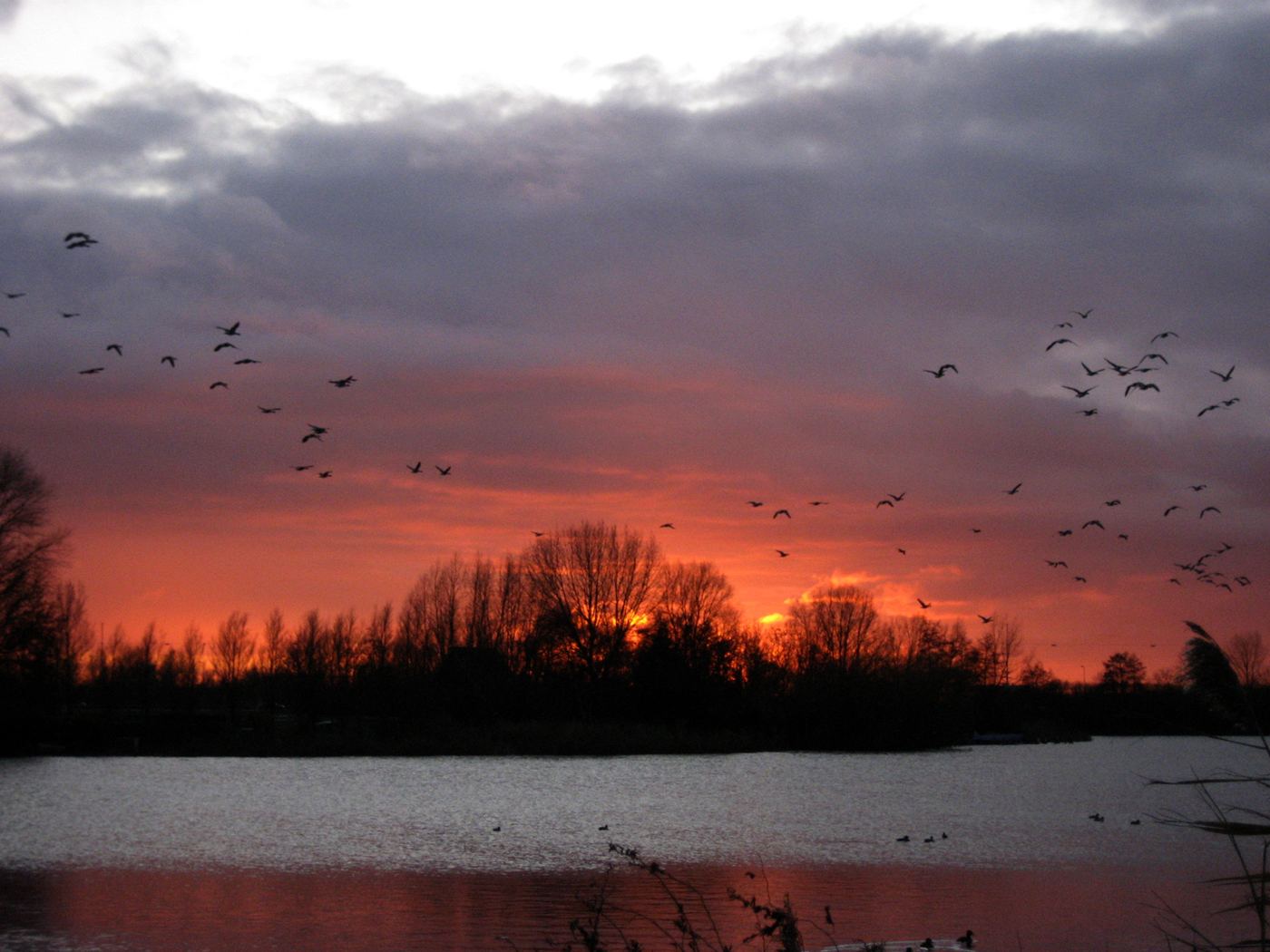
Every year, billions of birds cross continents, following routes their ancestors have flown for thousands of years. They time their journeys to arrive as insects hatch and plants flower, so that food is waiting when they land. That timing is now slipping. Warmer springs are bringing insects out earlier in northern breeding grounds, while the birds, guided by the length of the day rather than the temperature, arrive on their old schedule and find the feast already over. Some species are adapting, leaving earlier or taking shorter routes, and tracking data from tiny satellite tags shows the changes in detail. Other species cannot adjust, and their numbers are falling as the mismatch grows. The mismatch is sharpest in the Arctic, where the summer is short and a bird that arrives a week late may miss the brief explosion of insects its chicks need to survive. Researchers have watched some populations shrink year after year as the timing gap grows wider.
What the Evidence Shows
The tags have revealed journeys of astonishing length, with some shorebirds flying thousands of kilometres without stopping, and they have shown where the birds rest and feed along the way. That knowledge is guiding conservation, since protecting a single wetland on a migration route can help birds from several continents. Researchers say the shifts are not all bad news, as some species are finding new wintering grounds and expanding their ranges. But they warn that the pace of change is the problem: a bird that evolved to follow a stable calendar cannot rewrite its instincts in a few decades. The tracking work continues, and each year of data sharpens the picture. Tracking technology is still improving, with tags now light enough for small songbirds that once could not carry them. Each new species tracked adds another thread to the map, showing how the flyways of the world connect across continents and oceans. Reporting and analysis from sources such as Nature track the same developments, and specialists following the shifting bird migration routes say the direction is now consistent across independent lines of evidence.
The Wider Context
The wider context is a research landscape in which replication and open data now decide reputations. Findings connected to the shifting bird migration routes are being checked by independent groups with shared datasets, and the teams involved publish their methods in full so rivals can test every step. That discipline is slower than a headline cycle, but it is why results in this area increasingly survive first contact with scrutiny.
What Happens Next
What happens next in the story of the shifting bird migration routes will be decided by follow-up work already under way: larger samples, longer observation and instruments that have not yet come online. The researchers involved are unusually united on one point, that the current results justify the next investment of time and money. Readers will not have to wait long for the first tests of that claim. You can follow related developments in our coverage of science.
None of this will be settled by a single announcement, study or product launch. The pattern to watch is accumulation: independent confirmations, honest reporting of failures and steady improvement in the underlying numbers. Readers who follow those signals, rather than the loudest claim of the week, will understand this subject better than most of the commentary surrounding it suggests is possible.
