

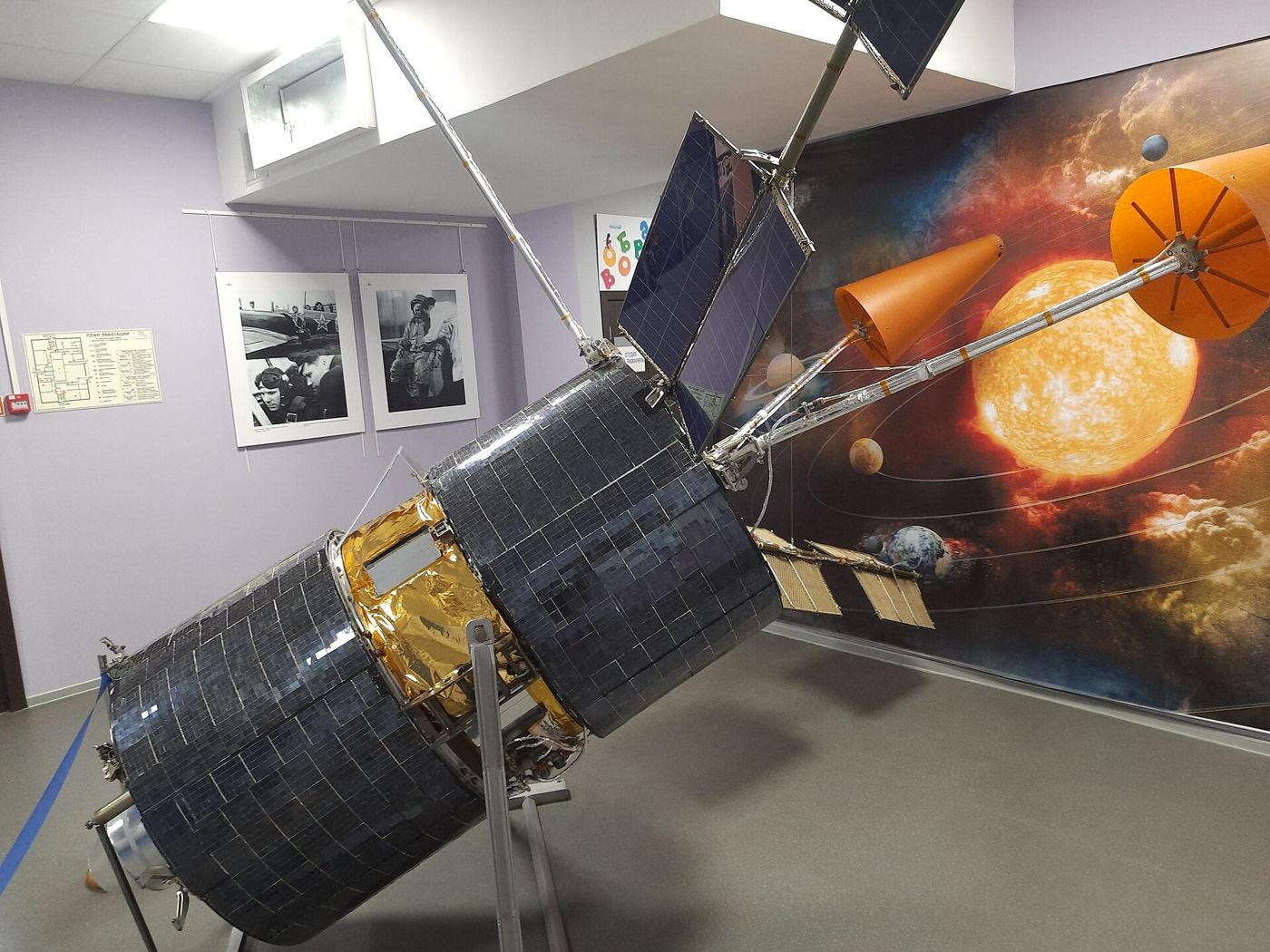
The colour of the ocean, seen from space, is a biological signal. Microscopic algae drifting in sunlit surface waters tint the sea in shades of green, turquoise and brown depending on their type and abundance, and satellites tuned to those subtle differences can map blooms across whole ocean basins in a single day. Oceanographers use those maps to follow the base of the marine food web as it responds to seasons, currents and weather. A bloom that arrives earlier than usual, or in a new place, can help or hinder the animals timed to feed on it, from krill to fish larvae to migrating whales. Long satellite records now stretch across decades, allowing scientists to ask whether bloom timing and productivity are drifting as oceans warm and stratify. The data also track less welcome events, including harmful algal blooms that produce toxins and vast low-oxygen zones, giving coastal managers earlier warning than shore-based sampling alone can provide. Ships and autonomous floats remain essential to verify what satellites infer and to measure what colour cannot, such as nutrient levels and species composition, but the orbital view supplies the scale that turns local observations into an ocean-wide story.
What the Evidence Shows
Interpreting ocean colour is technically demanding, because the signal reaching a satellite has passed through an atmosphere that scatters most of the light, and because different pigments can produce similar hues. Newer instruments measure many more wavelengths, helping distinguish major plankton groups rather than merely estimating total chlorophyll. That distinction is scientifically valuable, since small and large algae support different food webs and sink carbon at different rates when they die. Combined with models of currents and mixing, bloom maps now feed early forecasts of fishing conditions and of carbon uptake by the ocean, which absorbs a significant share of human emissions. Researchers are also revisiting older satellite records with improved algorithms, sharpening the historical baseline against which today’s changes are judged. As instruments improve and records lengthen, ocean colour has become one of climate science’s most productive measurements: a daily, global portrait of life in the surface sea, and of how that life is reorganising in a warming world. Reporting and analysis from sources such as National Science Foundation track the same developments, and specialists following satellite ocean colour plankton say the direction is now consistent across independent lines of evidence.
The Wider Context
The wider context is a research landscape in which replication and open data now decide reputations. Findings connected to satellite ocean colour plankton are being checked by independent groups with shared datasets, and the teams involved publish their methods in full so rivals can test every step. That discipline is slower than a headline cycle, but it is why results in this area increasingly survive first contact with scrutiny.
What Happens Next
What happens next in the story of satellite ocean colour plankton will be decided by follow-up work already under way: larger samples, longer observation and instruments that have not yet come online. The researchers involved are unusually united on one point, that the current results justify the next investment of time and money. Readers will not have to wait long for the first tests of that claim. You can follow related developments in our coverage of science.
There is a practical lesson in all of this for readers deciding what to do today. Start with the verified facts, be wary of anyone promising certainty, and prefer reversible steps while the evidence is still developing. Circumstances differ by country, income and personal situation, so general guidance should always be weighed against your own context before you act on it in any significant or lasting way.
