
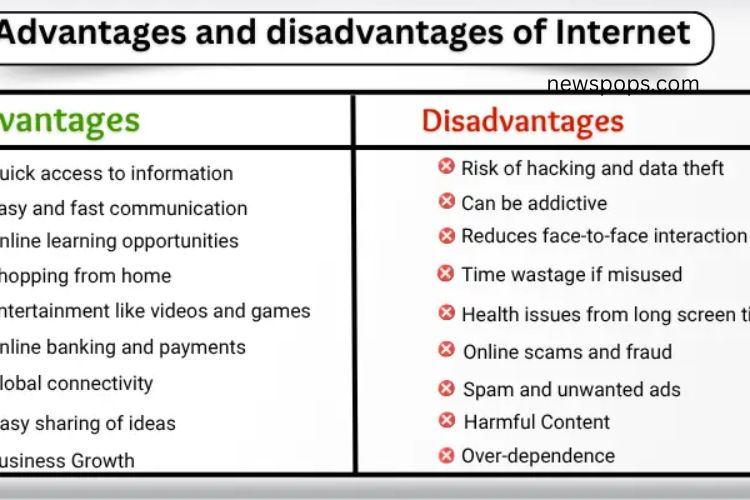
The internet has transformed our daily lives in ways we could never have imagined. From instant communication to online shopping, it makes life faster, easier, and more connected. However, along with its benefits, the internet also comes with drawbacks that can affect our productivity, privacy, and health. In this guide, we’ll explore 10 advantages and 10 disadvantages of the internet, providing real-life examples to help you understand its impact.
- Advantages of the Internet
- Frequently Asked Questions:
- What are the main advantages of the internet?
- What are the biggest disadvantages of the internet?
- How can the internet improve education?
- Can the internet be harmful to mental health?
- How does the internet help businesses grow?
- How can I stay safe online?
- What role does the internet play in communication?
- Conclusion
Read More: 200+ Dark Elf Names That Are Wickedly Stylish, Fiercely Unique & Beloved by Fans
Advantages of the Internet
The internet offers countless benefits, improving how we communicate, learn, work, and entertain ourselves. Here are ten key advantages:
Easy Communication
The internet allows instant communication across the globe. You can send messages, make voice or video calls, and stay connected with family, friends, and colleagues. Tools like WhatsApp, Zoom, Skype, and Facebook Messenger make communication fast and simple. Distance is no longer a barrier—relationships can thrive even when people are far apart.
Access to Information
Finding information has never been easier. Whether you need homework help, news updates, or DIY guides, the internet has it all. Platforms like Google, Wikipedia, YouTube, and BBC News provide accurate and quick information on nearly any topic.
Online Education
The internet revolutionizes learning by offering online courses, tutorials, and educational apps. Students can study anytime and anywhere using platforms like Khan Academy, Coursera, Duolingo, and Quizlet. It enables flexible learning and helps people acquire new skills without attending physical classrooms.
Entertainment
From streaming movies to online gaming, the internet offers endless entertainment options. Platforms like Netflix, Spotify, Roblox, and Disney+ allow users to enjoy content at home or on the go. Online entertainment keeps people engaged, informed, and relaxed.
Online Shopping
Shopping online saves time and effort. You can buy clothes, electronics, or groceries and have them delivered to your doorstep. Popular platforms like Amazon, Daraz, eBay, and AliExpress make shopping convenient and accessible to everyone.
Work from Home
The internet enables remote work, allowing professionals to send work, attend meetings, and collaborate online. Tools like Google Meet, Trello, Slack, and Asana simplify task management and communication, reducing travel time and improving productivity.
Banking & Payments
Online banking and payment services make money management easier. You can transfer money, pay bills, and handle transactions securely from home. Trusted platforms include PayPal, Easypaisa, JazzCash, and Wise, offering fast and safe financial solutions.
Social Connection
Social media platforms help people stay connected, share experiences, and meet new friends. Apps like Instagram, Twitter (X), TikTok, and LinkedIn create opportunities for social engagement, networking, and personal growth.
Quick News Updates
The internet delivers news instantly. You can follow events worldwide in real-time, much faster than traditional newspapers. Websites like CNN, Geo News, Al Jazeera, and Dawn provide reliable updates, keeping users informed about global and local developments.
Business Growth
The internet accelerates business expansion by enabling online sales and global reach. Platforms like Shopify, Etsy, Fiverr, and Upwork allow businesses to offer products and services to clients worldwide, reducing costs and increasing revenue potential.
Disadvantages of the Internet
Despite its benefits, the internet has several drawbacks that can affect personal well-being, privacy, and productivity.
Addiction
Excessive internet use can lead to addiction, reducing time for study, physical activity, and social interactions. Online games, social media, and streaming services can consume hours of users’ time, affecting mental and physical health.
Privacy Issues
Personal data shared online can be at risk. Hackers, phishing emails, and public Wi-Fi networks can compromise sensitive information. Tracking cookies also monitor online behavior, potentially violating privacy.
Cyberbullying
The internet can be a platform for harassment. Social media, messaging apps, online games, and forums can expose people to rude comments, threats, or false information, causing emotional distress.
Fake News
Misinformation spreads quickly online. Clickbait sites, fake videos, social media posts, and chain messages can mislead users, causing confusion or panic. Critical thinking is essential when browsing online content.
Health Problems
Extended screen time can harm eyesight, posture, and sleep quality. Problems like eye strain, back pain, headaches, and sleep disruption are common for people spending long hours online without breaks.
Online Scams
The internet hosts numerous scams. Fake shopping sites, phishing websites, lottery emails, and job scams trick users into giving money or personal data. Awareness and caution are key to avoiding fraud.
Social Isolation
Excessive internet use can reduce face-to-face interactions, leading to loneliness. Online games, binge-watching, and endless social media scrolling may isolate individuals from family and friends.
Over-dependence
People often rely on the internet for basic tasks, weakening critical thinking and problem-solving skills. Over-dependence on maps, spell-checkers, search engines, and translation apps can limit personal growth and self-reliance.
Harmful Content
The internet exposes users to violent, adult, or hateful content. Unsafe trends, dangerous challenges, and inappropriate videos can negatively influence behavior, especially among children and teenagers.
Environmental Impact
The internet consumes significant energy. Data centers run 24/7, and streaming videos or storing large amounts of data increases electricity usage, contributing to carbon emissions and environmental harm.
Frequently Asked Questions:
What are the main advantages of the internet?
The internet allows instant communication, access to information, online education, entertainment, online shopping, remote work, digital banking, social connection, fast news updates, and business growth.
What are the biggest disadvantages of the internet?
The major disadvantages include addiction, privacy risks, cyberbullying, fake news, health issues, online scams, social isolation, over-dependence, exposure to harmful content, and environmental impact.
How can the internet improve education?
Through online courses, tutorials, and apps, the internet allows students to learn anytime, anywhere. Platforms like Khan Academy, Coursera, and Duolingo offer flexible learning options.
Can the internet be harmful to mental health?
Yes. Excessive use of social media, online games, and streaming services can lead to addiction, stress, anxiety, and social isolation. Balance and moderation are essential.
How does the internet help businesses grow?
Businesses can reach global customers, sell products online, and reduce operational costs using platforms like Shopify, Etsy, Fiverr, and Upwork. It expands visibility and revenue potential.
How can I stay safe online?
Protect your privacy by using strong passwords, avoiding public Wi-Fi for sensitive transactions, and being cautious of scams and fake websites. Awareness and cybersecurity tools are crucial.
What role does the internet play in communication?
The internet enables instant messaging, video calls, and social networking across the globe, connecting friends, families, and professionals regardless of distance.
Conclusion
The internet is a powerful tool that has reshaped the way we communicate, learn, work, and entertain ourselves. Its advantages—like instant communication, access to endless information, online education, and global business opportunities—make life faster, easier, and more connected. At the same time, its disadvantages—such as addiction, privacy risks, cyberbullying, and exposure to harmful content—highlight the need for responsible usage.