
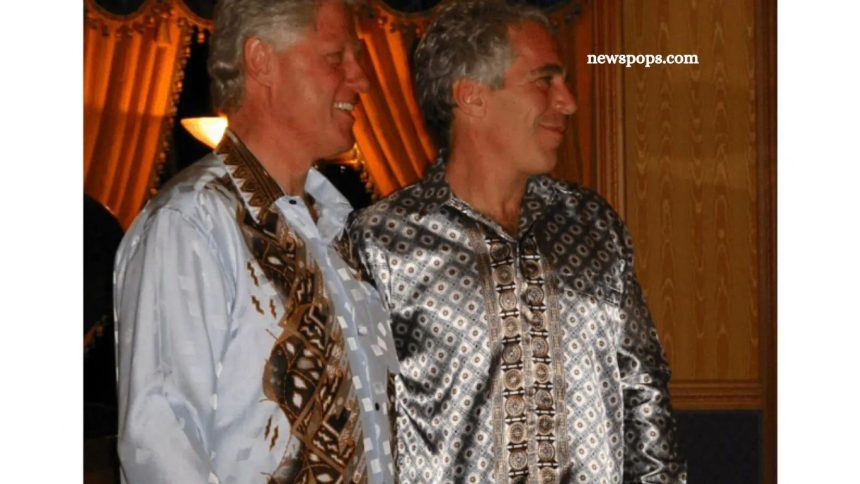
The recent release of thousands of files by the Justice Department, many featuring former President Bill Clinton alongside convicted sex offender Jeffrey Epstein, has reignited public attention on Clinton’s personal controversies and past associations. The Republican-led initiative has introduced a new generation to images that highlight both his global prominence and more scrutinized aspects of his personal life.
- Striking Images Surface
- A Legacy of Public Scrutiny
- Public Perception and Political Implications
- Lifestyle and Social Circles
- Legal and Historical Significance
- The Complex Legacy of Bill Clinton
- A Cultural Moment
- Frequently Asked Questions
- What is the connection between Bill Clinton and Jeffrey Epstein?
- Why did the Justice Department release these Epstein files?
- Do the photos implicate Clinton in Epstein’s crimes?
- Who else appears in the released Epstein photos?
- How has Clinton responded to these photos?
- What impact could these photos have on Clinton’s legacy?
- Are these files part of a larger investigation?
- Conclusion
Striking Images Surface
Among the most notable images is one showing Clinton on a private plane, smiling with a faint flush, a young blonde casually draped across his chair. Another captures him shirtless in a hot tub, arms resting behind his head, with the face of the person next to him redacted. Elsewhere, Clinton is seen grinning alongside Mick Jagger in a button-down shirt and blazer, and swimming in a lavish, marble-tiled indoor pool with Ghislaine Maxwell, Epstein’s close associate. In another photo, he stands shoulder to shoulder with Epstein, wearing a patterned silk shirt and smiling broadly.
These images were released without context, leaving questions about when, where, and why they were taken. Yet the subject is unmistakable: Bill Clinton, former two-term president, global philanthropist, and one of the Democratic Party’s most recognizable figures.
Read More: Trump Highlights Achievements, Criticizes Democrats Amid Ongoing Economic Concerns
A Legacy of Public Scrutiny
Since leaving the White House 25 years ago, Clinton has worked to restore his public image after personal scandals marred his presidency. Now 79, he continues to live an evident post-presidential life, traveling the globe to deliver speeches, honor world leaders, write memoirs and political thrillers, and lead philanthropic initiatives through the Clinton Foundation.
However, the Justice Department’s release—comprising more than 13,000 documents—serves as a stark reminder of Clinton’s long-scrutinized connection to Epstein. It also highlights aspects of his personal life that have drawn criticism: womanizing, impulsivity, and, at times, reckless judgment.
Public Perception and Political Implications
The release of these files is likely to shape public perception in both subtle and overt ways. Media outlets and political commentators have debated the significance of Clinton’s relationships with high-profile figures involved in scandals, arguing that such associations, whether direct or indirect, influence perceptions of judgment and ethics.
For younger generations, these images may serve as a first-hand look at Clinton’s more controversial social circles, offering a new lens through which to evaluate his legacy. Critics argue that the timing of the release may carry partisan undertones, while supporters maintain the public has a right to access historical records, especially those involving globally influential figures.
Lifestyle and Social Circles
Beyond political ramifications, the images offer insight into Clinton’s personal habits and social preferences. From private jet travel to luxurious leisure activities, the photos portray a lifestyle marked by wealth, power, and access to elite social networks. They also invite criticism, particularly in light of Epstein’s later criminal convictions, prompting renewed debate about judgment and accountability.
Public reaction has been mixed. Some view the images as innocuous snapshots of a former president enjoying fame and privilege. Others see them as reminders of lapses in judgment that may cast a shadow over Clinton’s post-presidential accomplishments.
Legal and Historical Significance
While the photos themselves do not implicate Clinton in criminal activity, legal analysts emphasize the importance of examining historical associations between influential figures and convicted criminals. The broader Epstein files contain thousands of pages of correspondence, flight logs, and other records that may provide additional context or raise further questions about Clinton’s social and professional circles.
For historians and political commentators, this release is a valuable resource for understanding Clinton’s personal behavior and the broader networks of wealth and influence intersecting with Epstein. It underscores the tension between public service, private conduct, and social privilege—a dynamic that has influenced public debate about Clinton for decades.
The Complex Legacy of Bill Clinton
Ultimately, the release of these files highlights the complexities of Clinton’s legacy. While his contributions to public life, philanthropy, and global diplomacy are widely recognized, the images remind us of the human flaws accompanying power. Even celebrated figures are subject to scrutiny, and historical records can reshape public perception long after a presidency ends.
As Clinton continues his public life, these files may influence how he is remembered—both as a statesman and as a figure whose personal choices have attracted controversy. They invite reflection on the intersection of fame, privilege, and accountability, emphasizing that history often evaluates leaders in their full complexity, not just their accomplishments.
A Cultural Moment
The Justice Department’s release of Clinton-related Epstein files is more than a political event—it is a cultural moment. It provides a nuanced view of a former president’s life, choices, and social networks that continue to shape his legacy. Whether these images will tarnish, inform, or merely complicate Clinton’s reputation remains uncertain. Still, they reinforce the enduring fascination with a figure positioned at the intersection of power, controversy, and public life.
Frequently Asked Questions
What is the connection between Bill Clinton and Jeffrey Epstein?
Bill Clinton was photographed with Epstein on multiple occasions, attending social events, traveling on private planes, and appearing in public and private settings.
Why did the Justice Department release these Epstein files?
The files, released under a Republican-led initiative, aim to increase transparency about Epstein’s activities and associations with high-profile figures, including Clinton.
Do the photos implicate Clinton in Epstein’s crimes?
No, the images alone do not indicate criminal involvement. They show Clinton’s association with Epstein but provide no direct evidence of illegal activity.
Who else appears in the released Epstein photos?
Photos include Clinton with public figures such as Mick Jagger and Ghislaine Maxwell, highlighting his presence in elite social circles linked to Epstein.
How has Clinton responded to these photos?
Clinton has denied any knowledge of Epstein’s criminal actions, maintaining that his interactions were limited to social or philanthropic contexts.
What impact could these photos have on Clinton’s legacy?
The release may influence public perception by highlighting past associations and personal behaviors, potentially complicating his post-presidential reputation.
Are these files part of a larger investigation?
Yes, the Justice Department release is part of over 13,000 documents related to Epstein, including correspondence, flight logs, and other records under scrutiny.
Conclusion
The release of the Epstein files has once again placed Bill Clinton under public scrutiny, highlighting the complexities of his personal and political life. While the photos do not imply criminal wrongdoing, they serve as a vivid reminder of his associations with controversial figures and the social circles he frequented. For the public, historians, and political analysts, these documents offer both a cautionary tale about judgment and privilege and an opportunity to view a former president in a fuller, more nuanced light.