

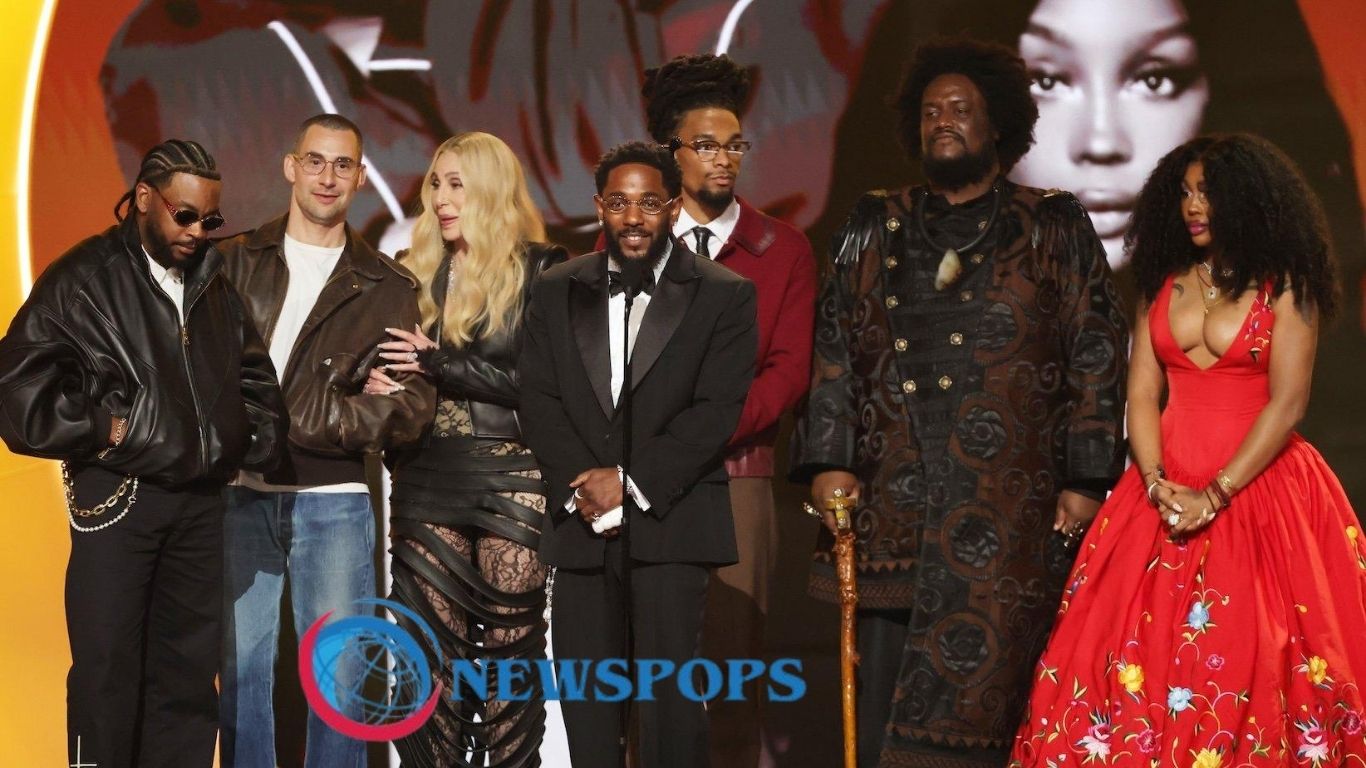
The life of celebrities has always fascinated the public, but in 2026, the reality behind fame is more complex than ever before. While social media and streaming platforms have made stars more accessible, they have also blurred the line between personal life and public image. What we see on red carpets, award shows, and curated Instagram posts is only a small fraction of a much larger, highly structured, and often exhausting lifestyle.
Behind the scenes, celebrities today navigate intense schedules, brand obligations, digital scrutiny, and evolving fan expectations. The modern entertainment industry is no longer just about talent—it is about constant visibility, strategic branding, and emotional resilience.
The New Age of Fame: Always Online, Always Watched
In 2026, fame is no longer confined to movies, music, or television. Celebrities are expected to maintain a continuous online presence across platforms such as short-form video apps, live streams, and immersive fan communities.
This constant connectivity means that:
- Every post is analyzed within seconds
- Every public appearance becomes viral content
- Every silence is interpreted as a statement
Celebrities now work closely with digital teams that manage real-time engagement, monitor public sentiment, and respond quickly to trends or controversies. Fame is no longer passive—it is active, 24/7, and global.
Even private moments can become public within minutes due to fan recordings, paparazzi drones, or AI-enhanced media tracking tools. The result is a lifestyle where boundaries between public and private life are extremely thin.
Daily Life of a Celebrity: Structure Behind the Glamour
Contrary to popular belief, the daily routine of a celebrity is highly structured and disciplined. While schedules vary depending on profession—actors, musicians, influencers, or athletes—the core elements remain similar.
A typical day may include:
- Early morning fitness training and wellness routines
- Script readings, rehearsals, or recording sessions
- Brand meetings and endorsement discussions
- Social media content creation and approvals
- Press interviews or virtual fan engagements
- Evening events, screenings, or industry networking
Most celebrities operate with full teams, including managers, stylists, publicists, security personnel, and personal assistants. Every hour is planned, often weeks in advance. Even rest and travel are carefully scheduled, ensuring maximum productivity while maintaining public image consistency.
The Role of Social Media Managers and Digital Teams
One of the biggest changes in celebrity life in 2026 is the reliance on digital strategy teams. These professionals shape how celebrities are perceived online.
Their responsibilities include:
- Planning content calendars
- Monitoring fan engagement trends
- Handling crisis communication during controversies
- Optimizing posts for algorithm performance
- Coordinating collaborations with brands and influencers
Many celebrities no longer manage their own accounts entirely. Instead, posts are drafted, reviewed, and approved before going live.
Privacy in a Hyper-Connected World
Privacy has become one of the most valuable and difficult-to-maintain aspects of celebrity life. With advanced technology like facial recognition, satellite imagery, and AI-generated content detection, hiding from the public eye is increasingly difficult.
To maintain privacy, many celebrities:
- Live in secured residential compounds
- Use encrypted communication systems
- Travel with private security teams
- Rely on digital footprint management services
Despite these measures, leaks and rumors are still common. A single photo or video can spread globally within minutes, often without context.
This constant exposure has led many celebrities to adopt stricter boundaries or even temporary breaks from public life to preserve mental well-being.
Mental Health and Emotional Pressure Behind Fame
One of the most important but less visible aspects of celebrity life in 2026 is mental health. The pressure to remain relevant, attractive, and successful can take a significant emotional toll.
Common challenges include:
- Anxiety from constant public judgment
- Burnout due to demanding schedules
- Isolation despite global recognition
- Fear of career decline or replacement
- Online harassment and criticism
To cope, many celebrities now work with therapists, life coaches, and wellness experts. Mental health support has become a standard part of celebrity management teams.
Some celebrities also take intentional breaks from social media or step away from projects to regain balance. The industry has slowly begun to recognize that long-term success depends on emotional sustainability, not just visibility.
Brand Deals and the Business of Celebrity Life
In 2026, celebrities are not just entertainers—they are brands. A significant portion of their income comes from endorsements, partnerships, and personal business ventures.
Common revenue streams include:
- Fashion and beauty collaborations
- Fitness and lifestyle product lines
- Digital content subscriptions
- Exclusive fan memberships
- NFT-style digital collectibles and virtual appearances
Brand partnerships are carefully selected to align with public image and audience expectations. A single endorsement can influence both reputation and career trajectory.
Behind the scenes, teams negotiate contracts, ensure brand alignment, and analyze audience response data before finalizing deals.
The Role of Technology: AI, Virtual Reality, and Digital Fame
Technology has transformed celebrity culture more than ever in 2026. Artificial intelligence and virtual reality now play a major role in how celebrities interact with fans and create content.
Some key developments include:
- AI-generated performances and voice replication
- Virtual concerts attended by global audiences
- Digital avatars representing celebrities in online spaces
- Real-time translation tools for global fan engagement
In some cases, celebrities can “appear” in multiple places at once through holographic or virtual projections. This expands reach but also raises concerns about authenticity and identity.
The entertainment industry is increasingly blending physical and digital presence, creating a hybrid form of celebrity existence.
Paparazzi, Media, and Public Narrative Control
Despite technological advancements, traditional media influence remains strong. Paparazzi culture has evolved rather than disappeared, now using drones and AI tools to capture exclusive content.
However, celebrities now have more control over their narratives through:
- Direct-to-fan communication platforms
- Personal documentary-style content
- Controlled interviews and media collaborations
- Independent production companies
Instead of relying solely on traditional journalism, many celebrities shape their own stories. This shift has reduced misinformation but increased competition for attention.
The Pressure of Staying Relevant
In 2026, relevance is one of the most valuable currencies in the entertainment world. New talents emerge constantly through digital platforms, making competition extremely intense.
Celebrities must continuously:
- Adapt to changing trends
- Engage with younger audiences
- Innovate their creative output
- Maintain cultural influence
A period of inactivity can quickly lead to loss of visibility. As a result, many celebrities carefully balance rest with consistent output to stay in the public conversation.
Behind the Luxury: What Fans Don’t Usually See
While celebrity life appears luxurious, with private jets, designer fashion, and red carpet events, much of this is part of professional obligation rather than personal enjoyment.
Behind the scenes, there are:
- Long hours of preparation before public appearances
- Repeated takes during filming or content creation
- Strict diet and fitness routines
- Constant travel fatigue
- High-pressure decision-making environments
The polished public image is the result of coordinated effort by large teams working behind the scenes. What looks effortless is often highly engineered.
Frequently Asked Questions
What is celebrity life really like in 2026?
Celebrity life in 2026 is highly structured, fast-paced, and digitally driven. Stars constantly balance filming, brand deals, media appearances, and social media engagement while maintaining a carefully managed public image.
Do celebrities manage their own social media in 2026?
Most celebrities do not fully manage their accounts. Dedicated digital teams often handle posting, branding, and engagement strategies, while celebrities approve or contribute content for authenticity.
How do celebrities handle privacy in today’s digital world?
Celebrities use advanced security, private residences, encrypted communication, and strict media management. Despite this, privacy remains difficult due to constant online sharing and paparazzi technology.
Is celebrity life in 2026 as glamorous as it looks?
While it appears glamorous, much of it is work-driven. Behind the scenes, celebrities face long hours, strict schedules, emotional pressure, and constant public scrutiny.
What role does mental health play in celebrity life today?
Mental health is a major focus in 2026. Many celebrities work with therapists and wellness experts to manage stress, burnout, and the pressure of constant visibility and criticism.
Conclusion
The life of celebrities in 2026 is a complex blend of glamour, pressure, opportunity, and constant visibility. While technology has made fame more accessible and interactive, it has also intensified scrutiny and reduced privacy.
Behind every red carpet moment lies a structured system of management, branding, and emotional resilience. Celebrities are no longer just public figures they are global digital identities constantly shaped by media, fans, and algorithms.
